QUICK ANSWER: A hot water recirculation system uses a small pump to keep water moving between your water heater and your fixtures, so hot water is already waiting in the pipes when you turn on the tap. Without one, the cooled water sitting in the line has to run down the drain before hot water arrives. A recirculation system pulls that cooled water back to the heater instead. Controls such as timers, motion sensors, and activation switches decide when the pump runs, so it works only when your household needs it. The result is a shorter wait and less water wasted at the faucet.
Picture a two story home in Cornelius on a cold January morning. The primary bathroom sits at the far end of the house from the water heater, and the first person up turns on the shower and waits. And waits. The water runs cold, then cool, then barely warm, and finally hot, long after the shower was supposed to be underway. All that water went straight down the drain while the pipe delivered the cold water that had been sitting in it overnight.
That wait is not a defect in your water heater. The heater is doing its job. The problem is distance, and it affects homes of every age around Lake Norman. This article explains why the wait happens, how a recirculation system removes most of it, what the different control options do, and how to tell whether your home is a good candidate. It stays on the pipes and the pump, not on the heater itself, so if you are deciding between a tank and a tankless unit, that is a separate conversation.
Why You Wait for Hot Water in the First Place
Hot water leaves the heater at the temperature you set, then begins traveling through the pipes toward your fixture. Every time you stop using hot water, the water left in those pipes cools off to the temperature of the walls, the crawl space, or the attic around it. The next time you open the tap, that cooled water has to clear the line before fresh hot water can take its place.
The longer the run between the heater and the fixture, the longer the wait. A kitchen sink beside the water heater may respond almost right away. A bathroom upstairs, at the end of a long hallway, or in a home with a heater in the garage can take far longer. Cold weather makes it worse, because pipes in unheated spaces lose heat faster during a Lake Norman cold snap.
The wait takes more than your patience. Each minute of running water you do not use is water that never gets put to work. Multiply that across showers, sinks, laundry, and dishwashing every day, and the amount of water poured down the drain while waiting adds up quickly. Homeowners who have lived with a long wait for years often stop noticing it until a system removes it.
How a Recirculation System Works
A recirculation system gives the cooled water in your pipes somewhere to go besides the drain. A small circulation pump, usually placed near the water heater, moves water from the hot water line back toward the heater. As the water moves, the cooled water in the pipes is pulled back to be reheated, and hot water takes its place in the line.
When the water in the loop reaches the target temperature, the pump stops. The next time someone opens a tap, the pipe near that fixture already holds hot water, so the wait drops from a long stretch to a few seconds. Check valves keep water flowing in the intended direction so the system does not push hot water where it does not belong.
You never see most of this happening. The pump is small and tucked near the heater, and the controls are simple. What you notice is the result: you open a faucet and hot water arrives quickly.
Two Ways to Return the Water
Every recirculation system needs a path for the cooled water to travel back to the heater. There are two main approaches, and the right one depends on how your home is plumbed.
The first is a dedicated return line. This is a separate pipe that runs back to the water heater alongside the hot water supply, forming a continuous loop. Our recirculation service includes dedicated return line configuration, covering pipe routing, pump sizing, valve placement, and system balancing. A dedicated return gives the system a clear, purpose built path and is often the cleanest design when a home is being built or when walls are open for other work.
The second approach is a retrofit system that uses existing plumbing. Many homes were never built with a return line, and opening walls just to add one is not always practical. Retrofit solutions use the plumbing already in the house, so they require less invasive modification. Our retrofit recirculation installs can often be completed within one day, though larger properties may need more adjustments to get everything balanced.
TIP: Before a plumber visit, make a short list of the fixtures where you wait the longest. A far bathroom, a laundry sink, or a kitchen at the back of the house tells the plumber where hot water needs to reach quickest, and that guides the pipe layout and the pump placement.
Controls That Decide When the Pump Runs
A pump that runs around the clock keeps pipes warm, but it also uses more energy than it needs to and keeps the heater working harder. The better way is to run the pump only when hot water is actually wanted. That is the job of the control, and there are several kinds.
A timer runs the pump during hours you set, such as early morning and evening when the household is busiest. It is simple and reliable for a predictable routine. A motion sensor or occupancy control starts the pump when someone enters a bathroom or a room, so hot water is warming up before the tap opens. An activation switch or button lets you start the pump on demand, usually with a push before you step into the shower. Smart and programmable controls combine these ideas, running circulation only during set usage periods or when the home is occupied.
Our service includes smart timer and demand control integration for this reason. The pump does its work when it is needed and rests when it is not, so you get the quick response without circulating hot water all night while everyone sleeps. The page for this service notes that energy savings vary by property and household habits, which is an honest way to put it. A home with a long run to a rarely used guest suite will see a different pattern than a compact home with a single busy bathroom.
Will It Work With Your Water Heater
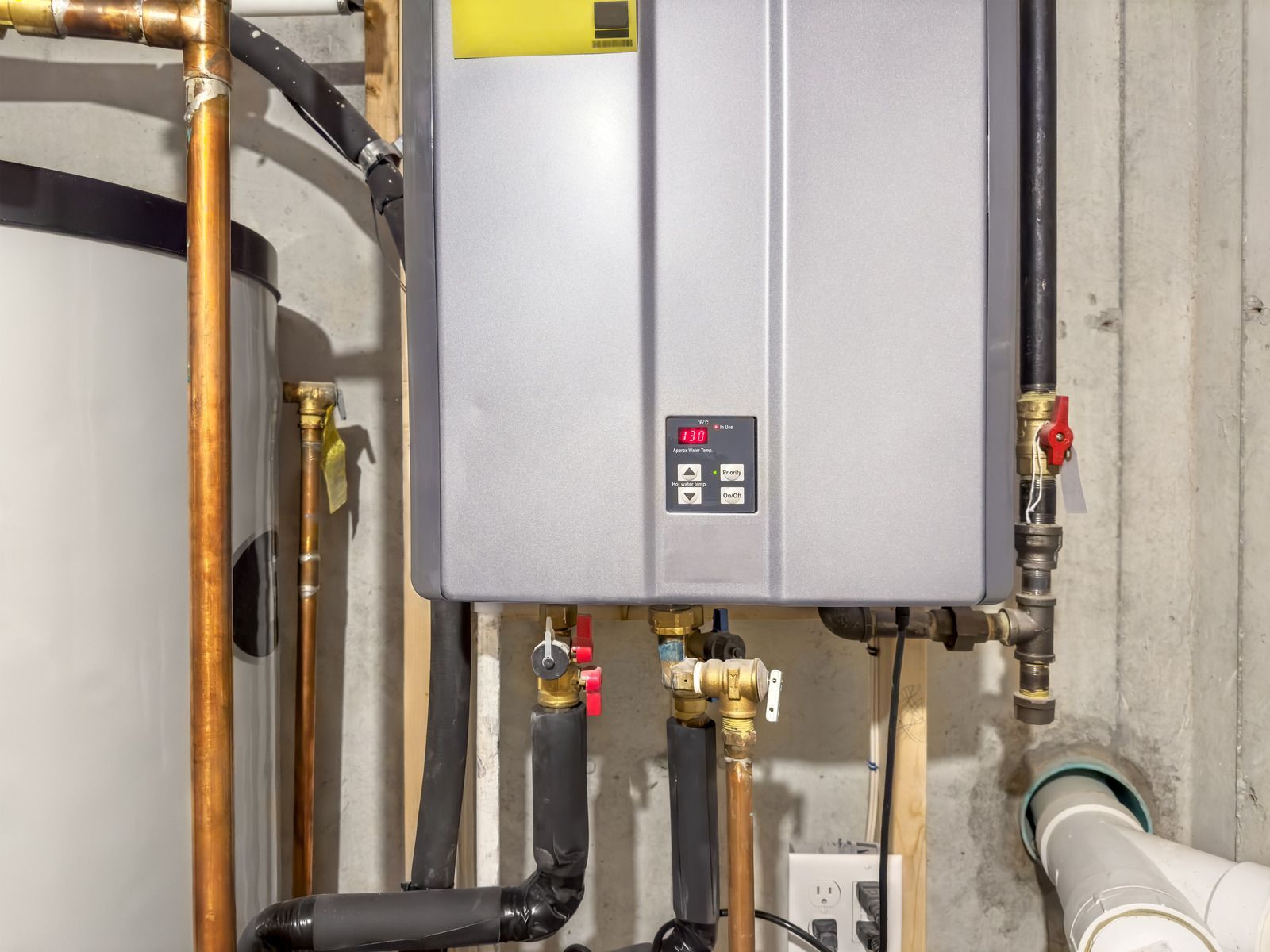
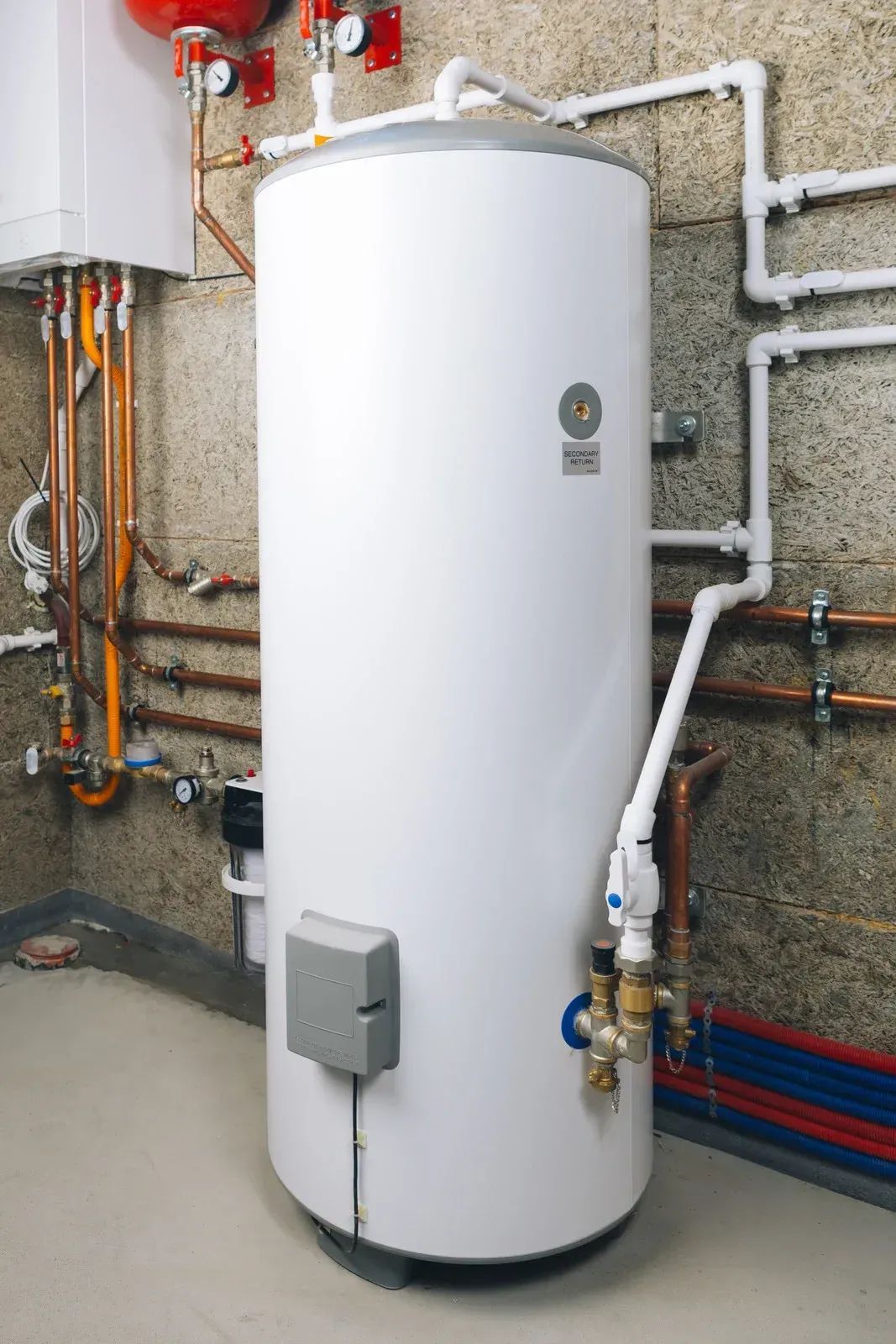
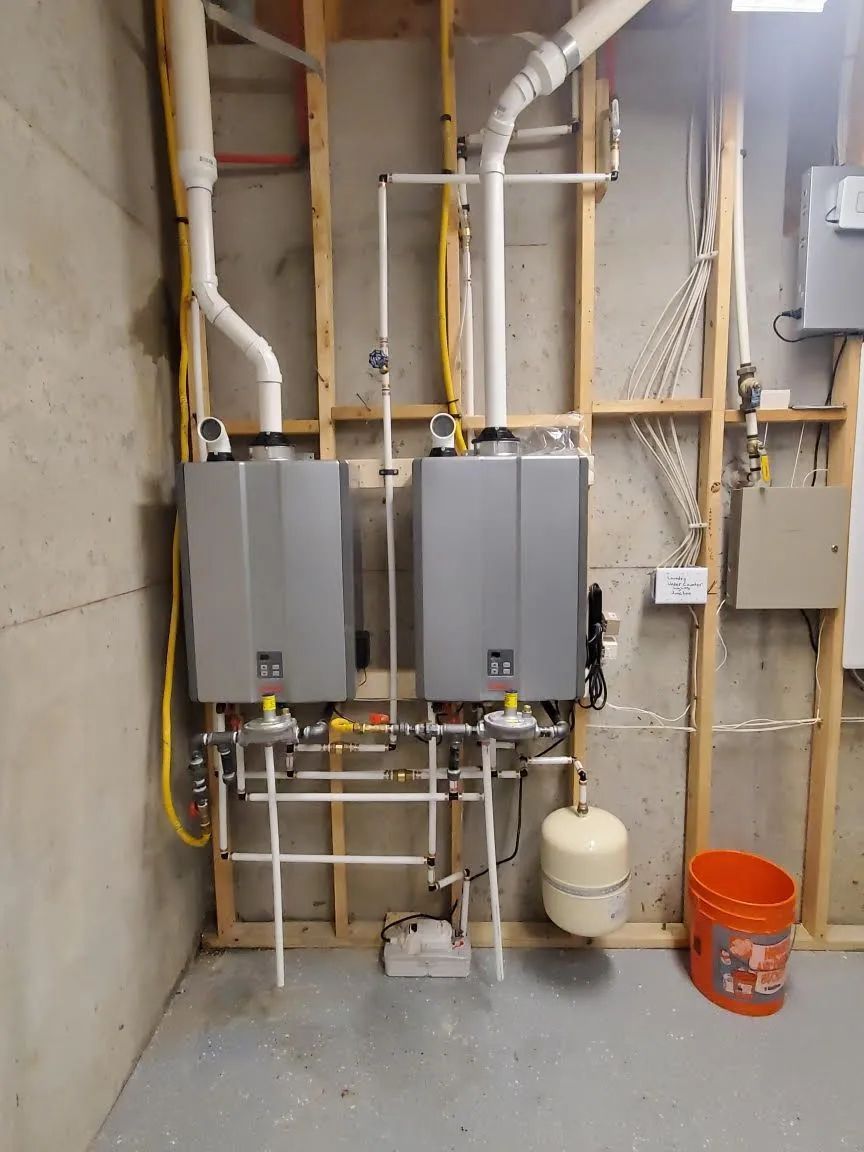
Recirculation is not limited to one type of heater. A properly designed system can work with tankless units, storage tank systems, and hybrid equipment, as long as the components and design match the manufacturer specifications. That last part matters. Heaters differ in how they handle returning water, and the pump, valves, and connections should suit the equipment they are paired with.
Tankless owners sometimes worry that recirculation is a poor match for their heater. It can work well, provided the system is designed with the unit in mind and the right components are chosen. A plumber looks at the heater, the pipe layout, and the way you use hot water before recommending a pump and controls. That evaluation is the difference between a system that helps and one that adds noise and trouble.
Planning also considers property layout, fixture placement, and hydraulic balance. Hydraulic balance is simply making sure water circulates evenly through the loop rather than favoring one branch. A balanced system delivers quick hot water at every fixture instead of only the ones closest to the pump.
Is Your Home a Good Candidate
Recirculation helps most in homes where hot water has a long way to travel. If you have a two story layout, a bathroom far from the heater, a finished basement with a distant bath, or a large single level home with a wide footprint, you are likely to notice a real difference. Homes where the heater sits in a garage, an attic, or a utility room on the opposite side of the house also benefit.
It helps less in a small home where every fixture sits close to the heater. In that case the natural wait is already short, and a pump adds equipment without removing much waiting. A frank conversation with a plumber is worth having before you decide. We would rather tell you a system is not needed than install one that makes little difference.
Think about your household too. Families that run several showers in a row, homes with frequent guests, and kitchens where people rinse and wash all day gain more than a household that uses hot water in short bursts. Your own frustration is a useful measure. If you have ever stood at a faucet wondering whether the hot water is broken, a recirculation system is worth discussing.
Keeping the System in Good Shape
A recirculation system has moving parts, so it deserves occasional attention. Pumps wear out, valves can stick, and timers can drift. Our maintenance and inspection work checks the pumps, valves, timers, crossover assemblies, and controls, and looks for early signs of wear, imbalance, and leaks before they become a problem.
Pay attention to changes in how the system behaves. A pump that has grown noisy, runs inconsistently, or no longer brings hot water as quickly as it once did may be losing efficiency. Electrical problems can also cause a pump to quit or misbehave. When a pump is declining, circulation pump replacement restores the response you had when the system was new.
If your hot water suddenly takes much longer to arrive and you have a recirculation system, check the control first. A timer that was bumped off schedule or a switch that is no longer activating the pump is a common explanation. If the control looks fine, a plumber can test the pump and the loop.
WARNING: Do not open or modify plumbing connections around the water heater yourself. Heater connections carry hot water under pressure and, on gas models, sit close to gas and venting components. Leave pump installation and valve changes to a licensed plumber.
What to Expect From Installation
A good installation starts with a conversation and a look at the home. The plumber considers where the heater is, how the pipes run, which fixtures matter most, and which controls fit your routine. From there the plan settles on a return path, a pump size, valve placement, and the control that suits your household.
For many retrofit projects the work finishes within a single day. A larger property or a more complicated layout may need additional adjustments to balance the loop. Once the system is running, the plumber tests it, confirms that hot water reaches the far fixtures quickly, and shows you how the controls work.
After that, most homeowners simply live with it. The first few mornings can feel strange, because the wait you accepted for years is gone. That is the point. A well designed system fades into the background and quietly improves everyday routines.
Is it safe to mount a TV over a fireplace?
Yes, with the right precautions. Heat off the firebox, wall structure, and viewing angle all need checking first. A gas or electric unit with managed heat can run for years. Wood-burning fireplaces with no heat plan cause trouble.
How far above the fireplace should the TV be mounted?
A common range is 8 to 12 inches between mantel top and screen bottom, though it shifts with your fireplace and wall height. The hotter the unit, the more clearance you want, keeping the screen above rising heat.
Can the heat from my fireplace really damage a TV?
It can, usually slowly. Most sets are rated up to 100-104 degrees, and unmanaged fireplace walls can climb past that. Over time this shows as dead pixels, a warped bezel, or shutdowns. Managing heat prevents it.
Do I need a special mount for a TV over a fireplace?
Most of the time, yes. A fixed mount aims the screen over your head. A tilting mount angles down toward viewers; full-motion arms pull out and down. The right choice depends on screen size and wall height.
Can I hide the wires if my fireplace is brick or stone?
It's harder than drywall but doable. Masonry rarely has an open cavity, so the path must be planned before mounting. Options range from in-wall routing to low-profile surface channels. Mapping the route first avoids disruptive retrofits.
Should the TV be bigger or smaller than the fireplace?
As a rule, match the firebox width or go slightly smaller, keeping the wall balanced. Oversized panels over narrow hearths are common now, but proportion makes the wall read as one clean focal point, not competing elements.
Frequently Asked Questions
What does a hot water recirculation system actually do?
It keeps hot water moving between the heater and your fixtures with a small pump, so hot water is close to the tap when you need it. That shortens the wait and reduces the water you run down the drain while you wait.
Can I add recirculation to a home that has no return line?
Often yes. Retrofit solutions use your existing plumbing, so you do not necessarily need new walls opened up. A plumber evaluates your layout to decide whether a retrofit or a dedicated return line is the better fit.
Does recirculation work with a tankless water heater?
It can, as long as the system and components match the manufacturer specifications for your unit. The plumber designs the setup around your equipment so the two work together properly.
Will the pump run all day?
It does not have to. Timers, motion sensors, activation switches, and smart controls let the pump run only during set hours or when someone is home, so it works when you need it and rests when you do not.
How long does installation take?
Retrofit installations can often be finished within one day. Larger properties or more complex layouts may take longer so the system can be adjusted and balanced.
How often should the system be inspected?
Periodic checks of the pump, valves, timers, crossover assemblies, and controls help catch wear, imbalance, and leaks early. Your plumber can suggest a schedule based on your equipment and how heavily the system is used.
Hot Water That Arrives When You Need It
The wait for hot water is one of the most common small frustrations in a home, and it has a practical fix. A recirculation system moves cooled water back to the heater, keeps hot water near the tap, and lets controls decide when the pump runs. The return path, pump size, and control type all depend on the layout of the home. A short evaluation shows whether the system suits your pipes and how it would work with your heater.
Lake Norman Plumbing Co.
has served Mooresville, NC, for 45+ years, and that experience shapes how each
recirculation system
is planned. Retrofit setups use existing plumbing, while dedicated return lines suit homes with open walls. Timers, motion sensors, and smart controls keep the pump running only when it helps. Once the loop is balanced and tested, far bathrooms and busy kitchens get hot water quickly, and the long mornings at the faucet become a thing of the past.